• Shoe Cabinets
  • About
  • Contact
  • Privacy Policy
   
  • Shoe Cabinets
  • About
  • Contact
  • Privacy Policy

Shoe Cabinets

Purposes and Benefits✅ Practical Use
  • Organization: Keeps shoes sorted and easy to access.
  • Space Saving: Maximizes floor space in entryways, closets, or bedrooms.
  • Hygiene: Prevents dirt from being tracked indoors.
  • Protection: Shields shoes from dust, moisture, and pets.
✅ Aesthetic Value
  • Complements the interior design.
  • Hides clutter, offering a clean, minimalist look.
  • Can serve as entryway decor or a display for prized footwear.
Materials Used
1. Wood
  • Solid Wood: Durable, elegant, but heavy.
  • Engineered Wood (MDF/Particle Board): Affordable, lightweight, but less durable.
2. Metal
  • Sleek, modern, durable; ideal for industrial or minimalist interiors.
3. Plastic/Resin
  • Lightweight, waterproof, affordable; good for casual or children's areas.
4. Bamboo
  • Eco-friendly, light, and stylish; great for modern-natural aesthetics.
5. Glass (Doors or Panels)
  • Adds a luxurious or modern touch; usually combined with metal or wood.
Picture
🧩 Types of Shoe Cabinets1. Closed Cabinets
  • Keeps shoes out of sight.
  • Reduces visual clutter.
  • Often includes doors (swing, sliding, or shutter-style).
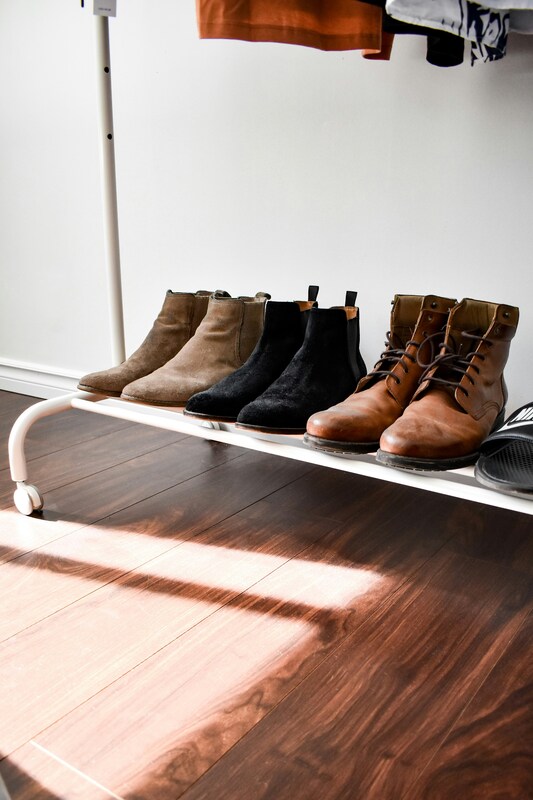
2. Open Racks
  • Easy access and good airflow.
  • Ideal for frequently worn shoes.
3. Tilt-Out / Flip-Down
  • Space-efficient with concealed storage.
  • Ideal for narrow entryways or hallways.
4. Bench Shoe Cabinets
  • Combines seating and storage.
  • Useful in entryways for putting shoes on/off.
5. Rotating / Carousel Cabinets
  • Unique, high-capacity.
  • Ideal for shoe enthusiasts with limited floor space.
6. Modular / Stackable Units
  • Customizable layouts.
  • Adaptable to space and shoe quantity.
📐 Design Considerations✳️ Capacity
  • Measured in pairs. Choose based on household needs.
  • Pro tip: Allow for future additions.
✳️ Size & Dimensions
  • Depth: Standard ~12–16 inches.
  • Height: Varies—can be low like a bench or tall like a wardrobe.
  • Width: Match your available space.
✳️ Ventilation
  • Vital to prevent odors and mold.
  • Louvered doors, mesh backs, or perforated panels help.
✳️ Entry Style
  • Consider door type (sliding for tight spaces, swing for traditional).
  • Soft-close hinges add a premium touch.
Picture
💡 Pro Tips
  • Store shoes toe-out to save space unless displaying.
  • Use labelled boxes inside large cabinets for seasonal rotation.
  • Install LED strip lights for visibility and style.
  • Combine with mirror panels to double as a dressing station.
  • Incorporate a pull-out drawer for shoe care supplies.

🧬 Unique Variations (Creative Takes)
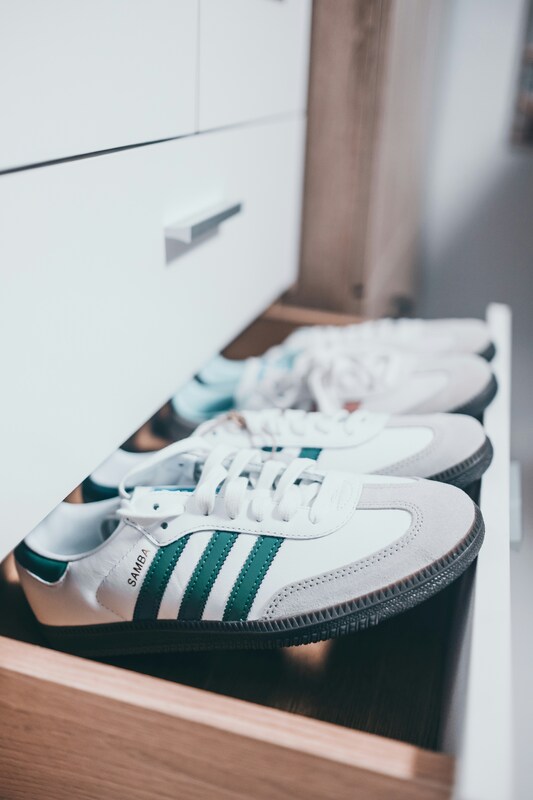
  • Hidden Shoe Drawers under beds or sofas.
  • Pull-Out Vertical Cabinets in narrow walls.
  • Wall-Mounted Cubbies for floating storage.
  • Glass Display Towers for collectible sneakers or designer heels.
  • Convertible Shoe Cabinet + Work Desk for ultra-tight spaces.

♻️ Eco and Sustainable Options
  • Look for FSC-certified wood, recycled materials, or upcycled vintage furniture repurposed into shoe cabinets.
  • Bamboo is a particularly sustainable choice.


.
  • Shoe Cabinets
  • About
  • Contact
  • Privacy Policy